Minimalism Isn’t a Monastery: Your Version of Less Is Enough
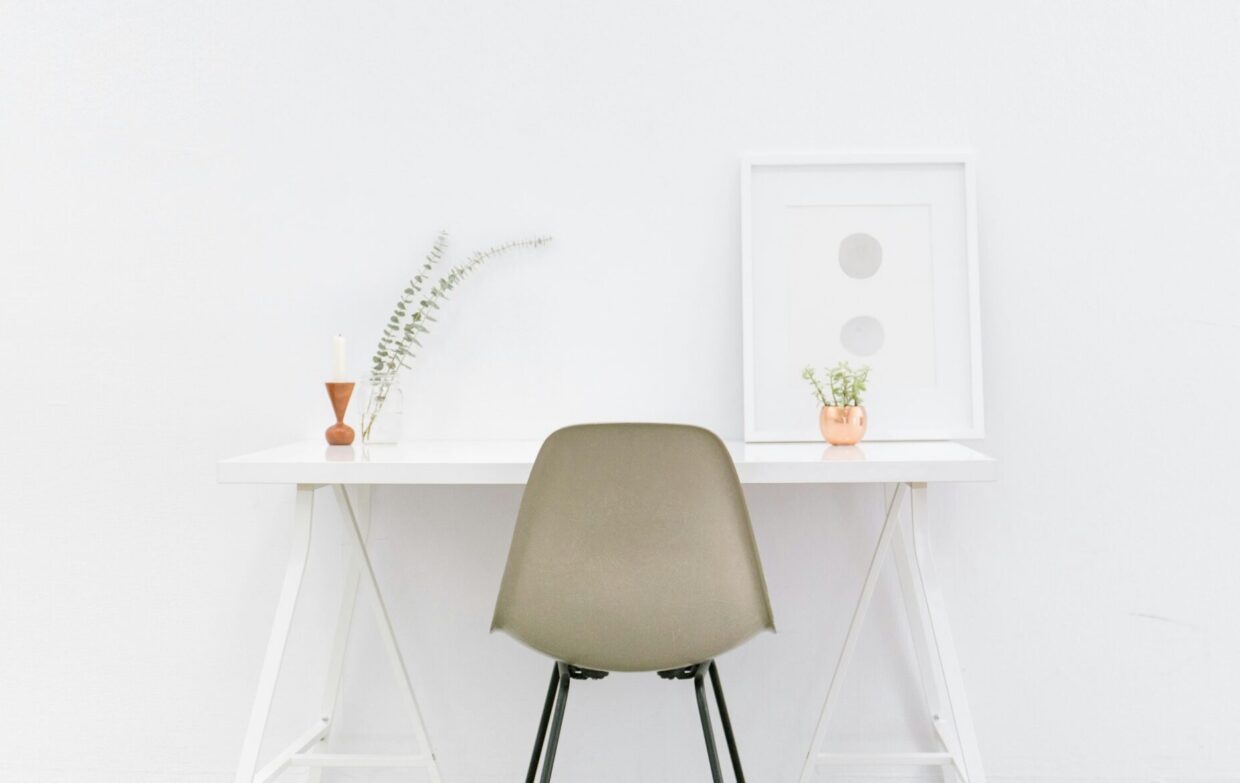
Minimalism does not mean ten grey t-shirts, bare white walls, and a single artfully placed pebble on a windowsill. It means something far more useful, far more personal, and considerably more interesting than that. Let me make the case.
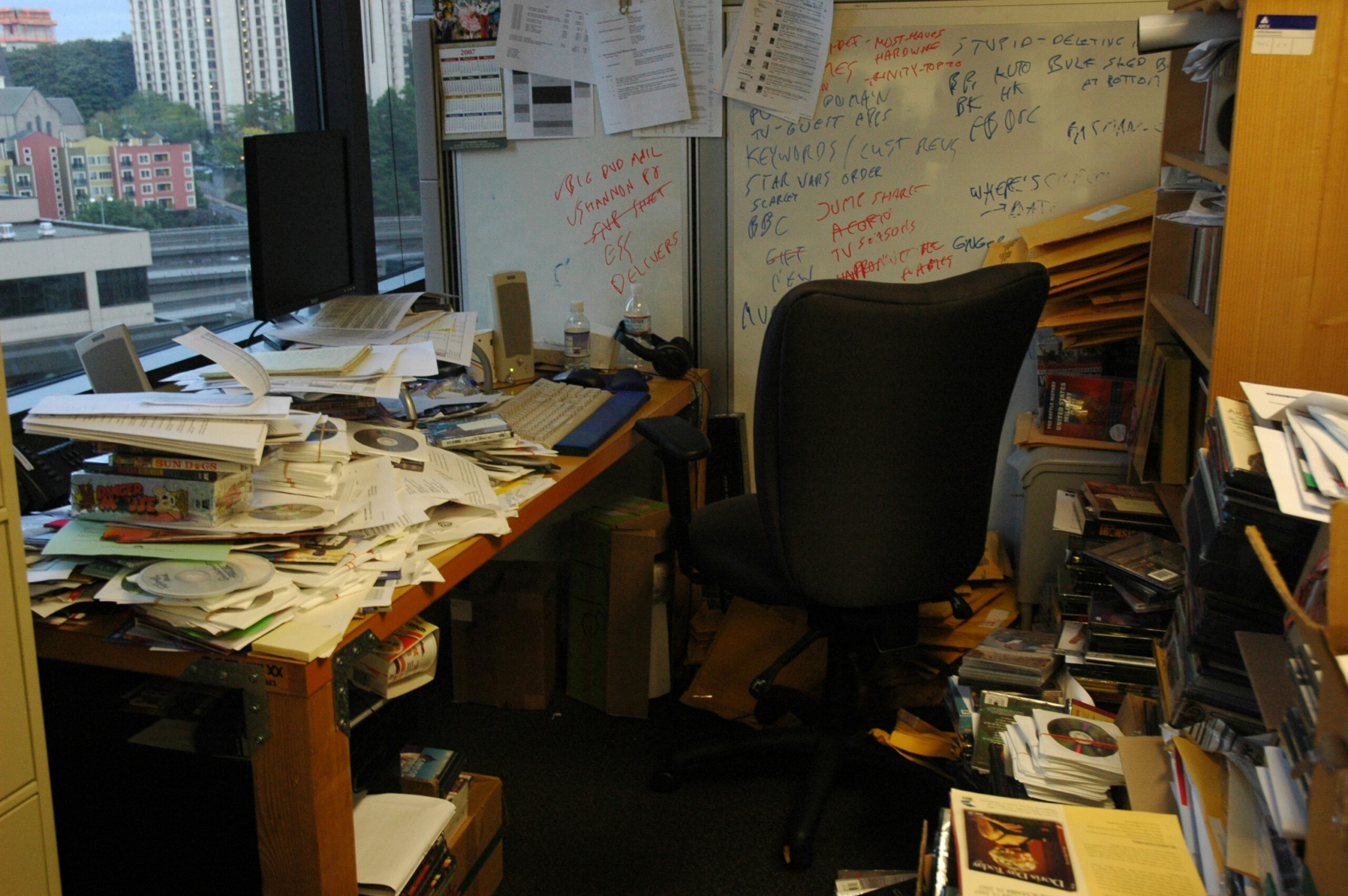
Say the word “minimalism” to certain people and watch what happens to their faces. There is a particular kind of shudder — a small, involuntary recoil — that passes across it. The mental image arrives immediately and uninvited: joyless, blank rooms. Walls empty of photographs. Windowsills cleared of the ornaments and trinkets and peculiar little objects that accumulated over a lifetime and mean something, even if you’d struggle to explain exactly what. A wardrobe containing ten grey t-shirts and two pairs of jeans, arranged with the grim efficiency of someone who has decided that colour is a form of weakness.
I understand the shudder. If that were what minimalism actually meant, I’d shudder too.
But here’s the thing: that version of minimalism — the sparse, pale, slightly punishing aesthetic you see in certain design magazines and rather a lot of Scandinavian hotel lobbies — is one interpretation of a much broader idea. It’s the extreme end of a spectrum, and it gets disproportionate attention because it photographs well. It is not a prescription. It is not the only way. And it is absolutely not what I mean when I talk about living lightly.
What Minimalism Actually Is
Minimalism, at its core, is about intention. It is the practice of questioning whether the things in your life — your home, your wardrobe, your kitchen drawers, your storage spaces — are genuinely there because they serve you, or whether they are simply there because they arrived at some point and nobody ever decided otherwise.
That’s it. That’s the whole thing. Not a colour palette. Not a target number of possessions. Not a prohibition on owning things that bring you pleasure or comfort or joy. Just a habit of asking, dispassionately and reasonably often: does this deserve a place in my home? Does it earn its space? And if the answer is genuinely yes – it stays. No further justification required.
The question “does this earn its space” sounds simple. In practice, it requires a certain willingness to be honest with yourself that not everyone finds easy. We are very good, as humans, at finding reasons to keep things. Sentimental value. Potential future usefulness. The fact that it was expensive. The vague feeling that getting rid of it would somehow be wasteful, even though it has been at the back of the cupboard since 2019 and will continue to be at the back of the cupboard until one of your children has to deal with it.
Minimalism, done your way, is simply the practice of applying that question more often and more honestly. Of letting the answers lead somewhere.
The Bookcase Is Staying
Let me tell you about my bookcase. It was purpose-built a few years ago, specifically to house books, maps, ornaments and plants. It is double-depth, which means that the front row of books sits in front of another row behind it. It takes up a lot of wall space. It is full. It is, by certain minimalist definitions, the opposite of minimalist.
I am not getting rid of it. I am not thinning the books to a curated thirty and displaying them spine-out in a single neat row. I am not removing the maps, the ornaments, or the plants. My bookcase is an area of my home where I have decided, consciously and without guilt, that I am not applying minimalist principles. The books bring me pleasure. The maps tell stories. The plants are alive and doing their best. The whole thing, double-depth and slightly overflowing, is one of my favourite things in my home.
I am also honest enough to acknowledge that when I die, the books will almost certainly go to charity, because my children have their own books and their own homes and will not want two rows deep of my reading history. But that is a future consideration. Right now, they’re staying exactly where they are.
The point is: I made a conscious decision. The bookcase is not there by default or inertia or because I never got around to thinking about it. It’s there because I thought about it and chose it. That is what makes it minimalist, in the sense that I mean — not its size or its fullness, but the intentionality behind it.
The Third Spatula, However
Now let us talk about the kitchen drawer.
Specifically, the third spatula. I have three spatulas. I have never, in my entire cooking life, needed three spatulas simultaneously. I have never thought to myself: I wish I had another spatula right now. One spatula does the job. Two is a reasonable contingency. Three is a spatula that arrived at some point, was put in the drawer, and has been there ever since on the quiet understanding that nobody was going to make a decision about it.
The third spatula does not earn its space. It doesn’t bring me joy, it doesn’t serve a function that the other two spatulas cannot cover, and it is contributing to a kitchen drawer that is, frankly, more of a challenge than it needs to be. The third spatula is leaving.
And then there is the nut milk machine. I bought it with genuine enthusiasm at a point when I was very interested in making nut milk at home. I have used it, at a generous estimate, three times in three years. It takes up a shelf in a kitchen cupboard. It requires washing up after use that is, I’ll be honest, more effort than it’s worth when almond milk is available in every supermarket in the country. Does my life become measurably less without the nut milk machine?
It does not. The nut milk machine, I am ready to admit, was a purchase made by a version of me who had intentions I did not ultimately follow through on. It can go and fulfil those intentions in someone else’s kitchen. I wish it well.
Curating, Not Stripping
The difference between the bookcase and the third spatula is not about size or sentimentality or monetary value. It’s about honest intention. One was chosen deliberately and is genuinely used and genuinely loved. The other arrived and stayed through inertia. Minimalism, your version of it, is simply the practice of telling those two categories apart and acting accordingly.
This means your home can still have walls full of photographs. It can still have windowsills with objects that mean something. It can still have colour and warmth and the pleasant visual noise of a life well lived. It just means that those things are there because you chose them, not because you never got around to not choosing them. Curation, not stripping. Intention, not austerity.
It also means, crucially, that you are allowed to have areas where you decide minimalism simply doesn’t apply. Your bookcase. Your record collection. Your carefully assembled collection of hot sauces that has outgrown its designated drawer and is staging a quiet takeover of the kitchen cupboard. If those things bring you genuine pleasure and you’ve thought about them honestly, they can stay. Minimalism is not about making your home look like a showroom. It’s about making it feel like yours — deliberately, thoughtfully, and without the slow drag of things you neither want nor need.
Where to Start
If you’re working towards a more intentional home but the word “minimalism” still makes you flinch slightly, start here: identify one drawer, one cupboard, one shelf, and ask the question honestly of everything in it. Does this earn its place? Not “could it theoretically be useful someday” — does it actually earn its place, now, in your actual life?
You will almost certainly find things that don’t. The third spatula lives in most households, in one form or another. The nut milk machine — or its equivalent, the panini press, the spiraliser; or the bread maker used twice — is almost universal. These are the easy places to start, and clearing them creates space — physical and mental — that makes the rest of the home feel better without touching a single thing you actually care about.
Living lightly doesn’t mean living emptily. It means living deliberately. Your bookcase, your photographs, your windowsill ornaments that mean something even if you’d struggle to say what — those can all stay. The things that are there by default, by inertia, by a decision that was never actually made: those are the ones worth questioning.
Start with the third spatula. It’s a smaller decision than the bookcase, and considerably less dusty than the loft. But it’s the same question, at heart: is this here because I chose it, or because I never chose otherwise?
Answer that question, room by room, drawer by drawer, shelf by shelf — and you’ll end up with a home that is entirely yours. Colourful or neutral, full or spare, books double-deep on a purpose-built shelf or carefully curated to a single row. However it looks, it will be intentional. And that, in the end, is all minimalism ever really meant.


You May Also Like

The Digital Takedown: Reclaiming My Time from the Everything Machine
The Metrics of a Life: Why Some Things Shouldn’t Add Up