
The Metrics of a Life: Why Some Things Shouldn’t Add Up
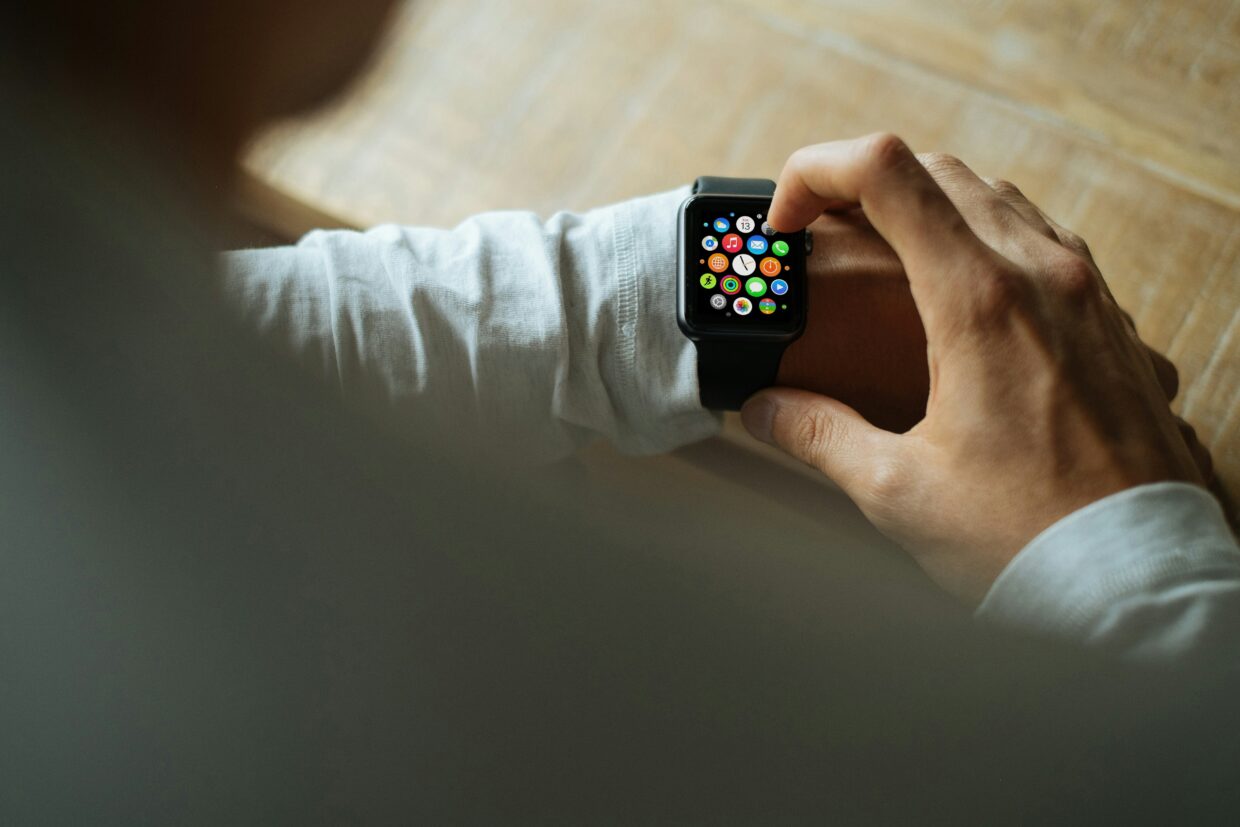
I was staring at my smartwatch the other day—a device I bought a few years ago with “self-improvement” enthusiasm—and I realised I was annoyed. I hadn’t hit my 10,000 steps, and somehow, the lovely, meandering walk I’d just taken through a local village felt like a failure because a piece of plastic on my wrist said so.
We live in an age where everything is measured, counted, and compared.
Our bank balances, our house prices, our salary. The steps we do, the minutes of “deep sleep” we get, the calories taken in, calories burnt. We measure the followers on our social media, the amount of likes we get when we post, and the number of unread emails sitting in an inbox like a digital mountain of guilt.
We quantify our relevance by our job titles. We measure our success by the square footage of a house that we now spend most of our time cleaning and worrying about.
Serving the Master of Measurement
Measurement was created to serve us, but these days, it feels like we are serving the measurements.
The measurable is seductive because it is clear. It gives us a tally to chase. But as I look deeper at my life, I realise that numbers are just the surface.
- We don’t really want a bigger house; we want security, or to feel that we are winning in the competition of life.
- We don’t really want more digital content; we want to feel connected.
- We don’t really want a productive life; we want a meaningful one.
The trouble is, if something can be counted, it can be compared. And if it can be compared, we end up competing for it. But you cannot find peace on a leaderboard.
The Things That Don’t Fit on a Spreadsheet
As I go through the process of “Lightening The Load”, I am constantly reminded that the most important things in my home—and my life—have a market value of zero.
How do you measure the value of a Sunday afternoon spent finally reading one of those hundreds of books, rather than leaving it on the bookcase to be read sometime in the future? (Even then, we have learned the “importance” of quantifying reading – with sites like Goodreads encouraging us to set reading targets, count pages read and mark books as finished).
What is the “International Unit” of the relief I felt when I finally shredded that pile of old bank statements?
What is the “Return on Investment” for sitting quietly with a cup of coffee, looking at a garden you finally have the time to actually enjoy?
The hardest part of simplifying isn’t the physical sorting. It’s deciding what life we want to live now. Our things tell stories about our past, but they also quietly dictate the lives we continue to carry. Letting go means choosing the next chapter intentionally, not out of habit.
Amounting to Something
Don’t get me wrong. Metrics are tools. We need to count our pension pots, monitor our blood pressure, and keep an eye on the heating bill.
But metrics make poor masters.
When we mistake what is countable for what is valuable, we sacrifice the texture of life for the sake of a tally. A life spent chasing numbers may add up, but it might not actually amount to much.
As I clear the clutter, I’m learning to stop counting the things I’m losing and start noticing the space I’m gaining. Because the best parts of being “Zen” are the things that could never fit on a spreadsheet anyway.
Photo by Luke Chesser on Unsplash


You May Also Like

Master Your Desk: A Simple System for Clutter-Free Focus

Stop Tolerating It: Why It’s Time For A Boundary Reset